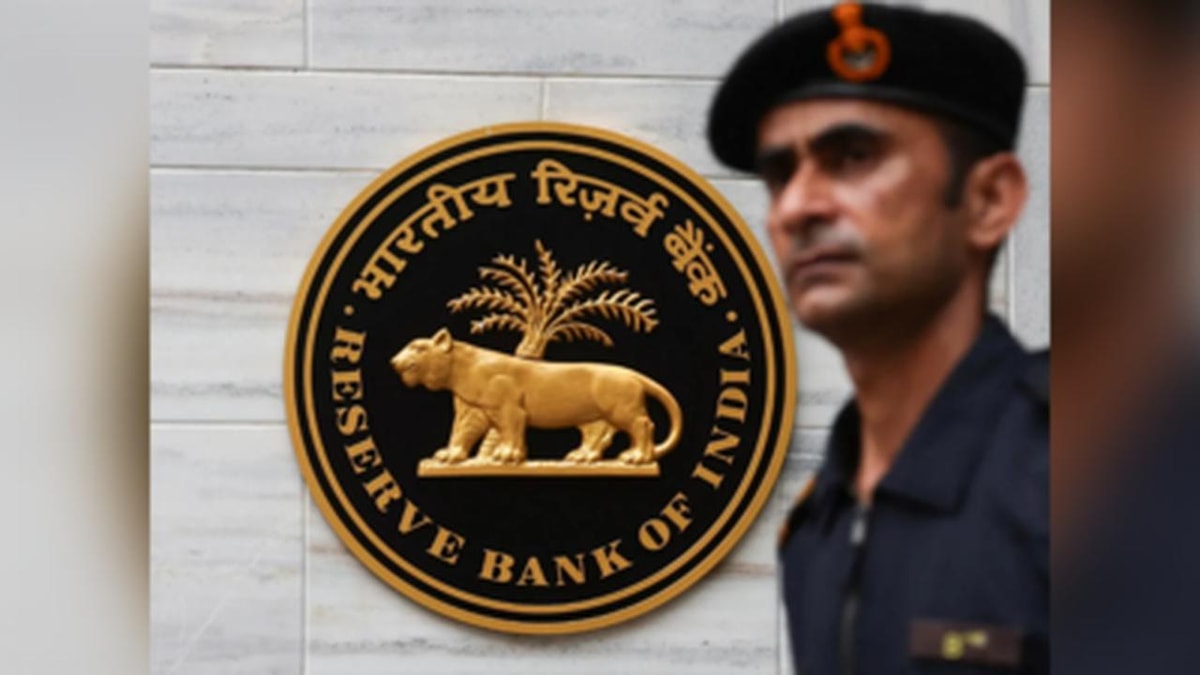
The Reserve Bank of India (RBI) has intensified its intervention efforts to stabilize the Indian rupee, which is facing mounting pressure from rising oil prices and persistent demand for dollars. Recent trading sessions have shown the rupee holding steady at approximately 95.7350 against the US dollar, reflecting the central bank's ongoing commitment to mitigate volatility in the foreign exchange market.
How is the RBI responding to the pressures on the rupee?
In recent days, the RBI has actively engaged in the foreign exchange market to support the rupee amid heightened pressures from various economic factors. Traders have reported that state-run banks are playing a critical role in this intervention by offering dollars to help maintain the rupee's value. This approach has successfully kept the rupee within a narrow trading range, with fluctuations limited to less than one paisa. The RBI's recent actions underscore its strategy to curb volatility and provide stability in a challenging economic environment.
Market analysts have noted that the RBI's interventions are crucial in preventing a more significant depreciation of the currency, particularly given the backdrop of rising oil prices and increased corporate demand for dollars. The central bank's efforts to stabilize the exchange rate have been effective, as the rupee has remained largely unchanged in recent sessions despite global market fluctuations.
What impact are rising oil prices having on the rupee?
Elevated oil prices continue to exert significant pressure on the rupee, as India is heavily reliant on oil imports. Brent crude prices have been hovering around $92.45 per barrel, creating an environment of heightened dollar demand. As importers scramble to secure dollars to meet their obligations, the rupee's value has come under strain. The ongoing geopolitical uncertainties, particularly related to Iran and the economic ramifications of US sanctions, have further complicated the situation.
Analysts emphasize that the persistent rise in oil prices is a major factor driving the rupee's performance. The demand for dollars to pay for these imports is likely to remain strong, which could lead to continued pressure on the currency unless the RBI's interventions can offset these dynamics effectively.
How are market participants reacting to the RBI's measures?
The RBI's interventions have garnered a mixed response from market participants. While some traders view the central bank's actions as a necessary step to stabilize the rupee, others express concerns about the long-term sustainability of such measures. The current market sentiment suggests that while the RBI's interventions are effective in the short term, there may be questions about their efficacy if external pressures continue to mount.
Foreign institutional investors have shown resilience in the Indian equity market, purchasing equities worth Rs 1,181.66 crore on a net basis, indicating confidence in India's economic prospects despite challenges. This influx of foreign capital could provide some buffer for the rupee and may help ease the pressure from rising oil prices and dollar demand.
What are the key challenges ahead for the rupee?
As the RBI continues to intervene in the foreign exchange market, several key challenges remain for the rupee's outlook. The ongoing volatility in global financial markets, particularly regarding oil prices and geopolitical tensions, is expected to play a crucial role in determining the rupee's future trajectory. Traders and analysts will be closely monitoring these developments as they unfold.
The consensus among market experts indicates that the rupee may remain within its current trading range for the foreseeable future. However, should oil prices continue to rise or geopolitical tensions escalate, the RBI's intervention may need to be more aggressive to sustain the rupee's stability. The interplay between domestic economic indicators, global oil prices, and the RBI's policy responses will be critical in shaping the currency's performance in the coming weeks.
What are the broader implications of the RBI's interventions on the economy?
The RBI's active role in stabilizing the rupee has broader implications for the Indian economy. A stable currency is vital for maintaining investor confidence, encouraging foreign investments, and supporting economic growth. The central bank's interventions help to instill a sense of confidence among market participants, fostering a more favorable environment for business and investment.
However, the effectiveness of these measures may be challenged by external factors such as rising oil prices and geopolitical uncertainties. As the RBI navigates these challenges, its ability to maintain a stable exchange rate will be crucial for ensuring the overall economic stability of India. Market watchers will be keenly observing how these dynamics evolve and what steps the RBI may take in response to ongoing developments in the global economic landscape.
In conclusion, while the RBI's interventions have succeeded in keeping the rupee relatively stable amidst rising oil prices and dollar demand, the road ahead remains fraught with challenges. As global conditions fluctuate, the central bank's policies will play an essential role in shaping the future of the Indian rupee and, by extension, the broader economy.





 Login