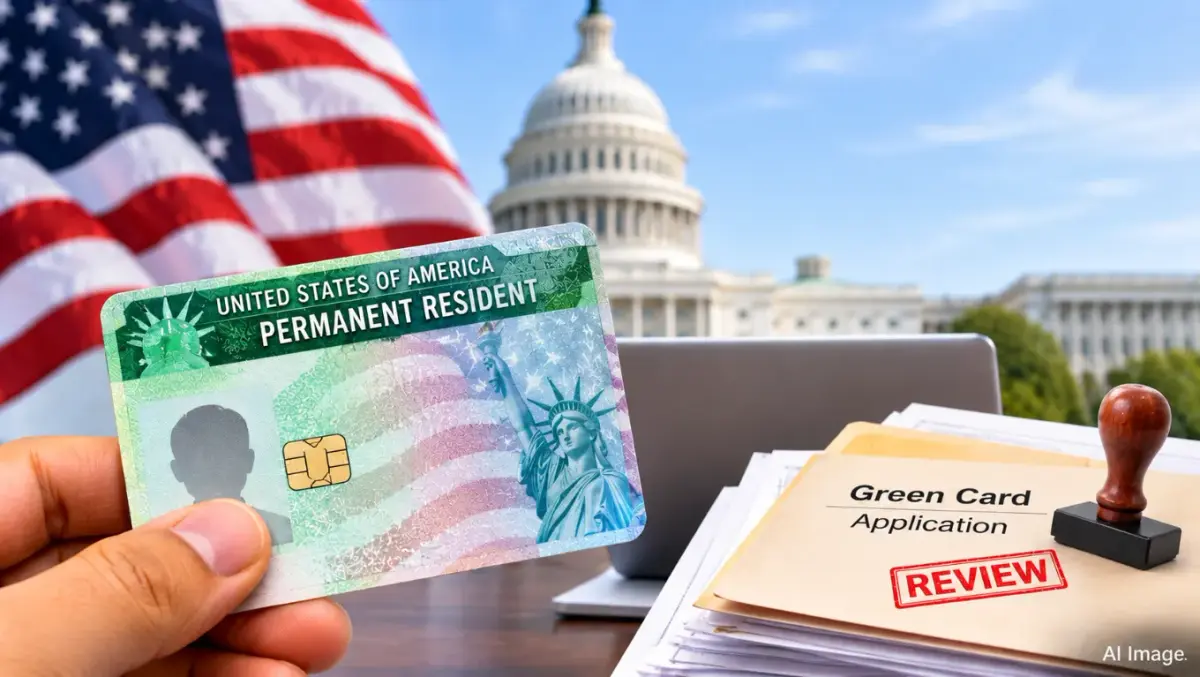
The U.S. Department of Labor (DOL) has released a revised draft of the PERM application form, which may significantly impact the green card process for Indian workers, particularly those transitioning from F-1 Optional Practical Training (OPT) and H-1B visas. The proposed changes emphasize stricter recruitment reporting and transparency requirements, aiming to protect U.S. workers while streamlining the employment-based green card system.
What are the key changes in the revised PERM application draft?
The revised draft of Form ETA-9089, known as the Application for Permanent Employment Certification, introduces several notable changes aimed at enhancing the integrity of the green card application process. One of the most significant updates is the requirement that employers submit a signed recruitment report and all relevant job advertisements and resumes of U.S. applicants at the time of filing. Previously, these documents were only necessary if the DOL conducted an audit.
Additionally, the lookback period for layoffs in the same or similar occupations has been extended from six months to two years prior to filing. Employers will now need to provide detailed information about any layoffs that occurred during this period, including the roles affected and notifications provided to the impacted workers. This change is intended to ensure that employers are actively considering the U.S. labor market before sponsoring foreign workers for green cards.
Another critical alteration involves the Notice of Filing (NOF) requirements. Employers must now verify that the NOF was communicated to bargaining representatives or posted within 10 business days prior to submission. Furthermore, a new mandatory Appendix E must be signed and attached, outlining the employer's assurances and obligations. Applications lacking this appendix or the requisite recruitment records will be returned without review, causing potential delays and complications for applicants.
How will these changes affect Indian workers and employers?
The proposed revisions primarily impact employers, as they are the ones responsible for filing the PERM application on behalf of foreign workers. However, the implications of these changes are significant for Indian workers on F-1 OPT and H-1B visas who rely on their employers to navigate the green card process effectively. The quality and completeness of the PERM filing will directly influence the chances of a successful application and the timing of the process.
For Indian nationals seeking employment-based green cards, the date their application is accepted by the DOL is crucial, as it can determine their place in the backlog and affect their residency status. With the new requirements emphasizing thorough documentation and transparency, employers may face increased administrative burdens, potentially leading to delays in the filing process. These factors may exacerbate the already lengthy green card backlog for Indian applicants.
What is the timeline for these changes to take effect?
As of now, the revised draft is still open for public comment and has not yet been adopted for current filings. Employers must continue using the existing form in the Foreign Labor Application Gateway (FLAG) system until the DOL finalizes its rule. This period allows stakeholders, including employers and immigration advocates, to provide feedback and suggest modifications to the proposed changes.
The DOL's Notice of Proposed Rulemaking (NPRM), titled "Modernizing the Labor Market Test and Improving Protections for U.S. Workers in the Permanent Labor Certification Immigrant Visa Program," reflects an ongoing effort to balance the need for foreign labor with protections for U.S. workers. The department's commitment to enhancing the labor market test is intended to ensure that qualified U.S. workers are not overlooked in favor of foreign hires.
Why is the PERM process particularly relevant for Indian nationals?
The PERM process is especially significant for Indian nationals due to the high demand for skilled workers in the U.S. technology sector and the lengthy green card backlog they face. Many Indian graduates pursuing work opportunities in the United States typically transition from F-1 student visas to H-1B work visas and subsequently apply for permanent residency through the PERM process.
The challenges posed by the revised PERM application may further complicate the immigration landscape for Indian workers. With the added requirements for documentation and the potential for delays, individuals who are already navigating the complexities of visa transitions may find themselves facing additional hurdles in their quest for permanent residency.
What should stakeholders do in response to the proposed changes?
In light of the proposed revisions, employers, immigration attorneys, and affected employees should closely monitor the developments surrounding the PERM application process. It is crucial for employers to familiarize themselves with the new requirements and prepare to implement them effectively once they take effect. This preparation may include enhancing their recruitment processes and ensuring compliance with the updated documentation requirements.
For foreign workers, particularly those on F-1 OPT and H-1B visas, staying informed about the changes and understanding their implications is essential. Engaging with immigration attorneys and industry experts can provide valuable insights into navigating the evolving landscape of U.S. immigration law.
As the DOL continues to refine the green card process, the outcomes of these proposed changes will be closely watched by many, particularly within the Indian community that heavily relies on the U.S. employment-based immigration system. The interplay between protecting U.S. workers and facilitating the integration of foreign talent will remain a focal point in this ongoing discussion.





 Login