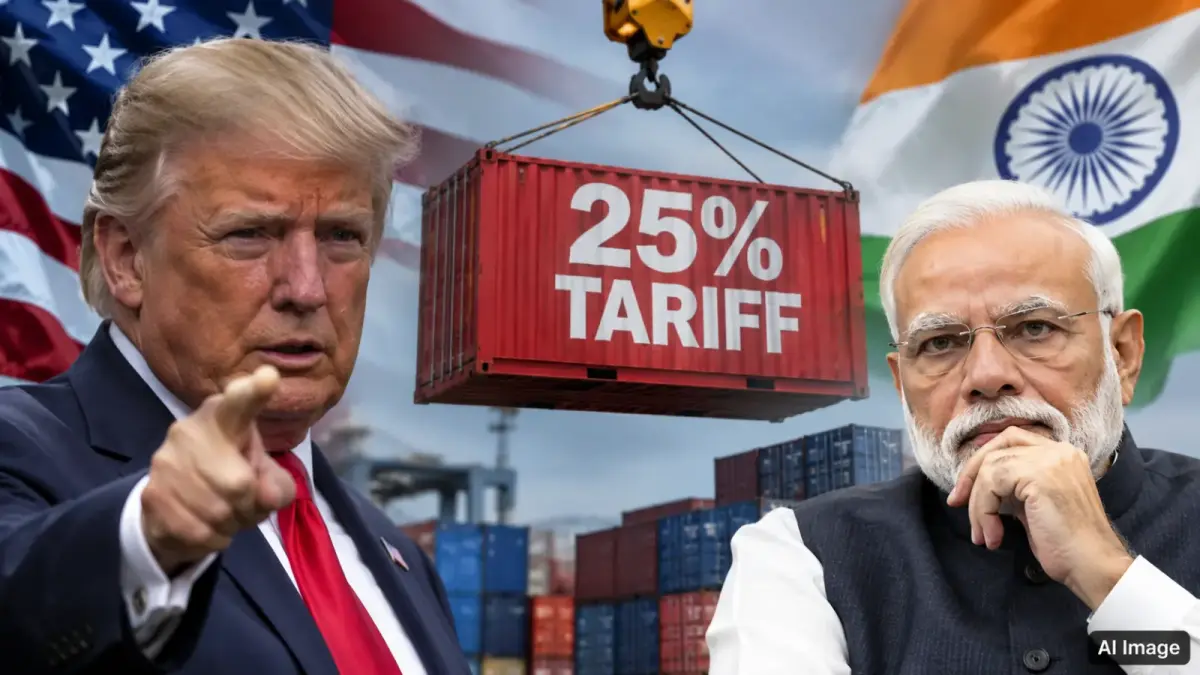
The recent announcement of a potential increase in tariffs by the United States has stirred significant concern in global markets, particularly regarding its implications for trade relations with India. Following a series of electoral defeats, former President Donald Trump’s administration is reportedly considering a 25% tariff on various imports, raising questions about the future of economic ties between the two nations.
What are the key details of the proposed tariff increase?
The U.S. administration is weighing the imposition of a 25% tariff on a range of imports, a move that could have profound effects on international trade dynamics. This proposal comes in the wake of the Trump administration's attempts to renegotiate trade agreements and strengthen domestic manufacturing. Officials have indicated that the tariffs could target products from several countries, including India, which has historically been a significant trading partner for the U.S. The potential for such a steep tariff increase has raised alarms among economists and business leaders who fear it could lead to retaliatory measures and disrupt existing trade agreements.
Why might this increase in tariffs be linked to political pressures?
The timing of this tariff proposal appears to be intertwined with political pressures following recent elections in the U.S. The former president's electoral setbacks have prompted speculation that his administration is seeking to bolster support among his base by adopting a more protectionist stance on trade. The strategy may be aimed at demonstrating a commitment to American manufacturing jobs and addressing concerns regarding trade imbalances. However, critics argue that such measures could ultimately harm consumers by raising prices on imported goods and stifling competition.
How could this tariff impact U.S.-India trade relations?
If implemented, the proposed tariffs could strain relations between the U.S. and India, which have been increasingly cooperative in various sectors, including technology and defense. India has been a key partner for the U.S. in its efforts to counterbalance China's influence in the region. The imposition of tariffs could lead to a reevaluation of this partnership, with Indian officials likely to respond with their own measures, potentially resulting in a trade war that could affect both economies. Analysts suggest that India may seek to leverage its status as a significant market for American products to negotiate exemptions or lower tariffs.
What conditions could allow India to avoid these tariffs?
Despite the looming threat of increased tariffs, there are indications that India could negotiate its way out of this situation. Sources suggest that the U.S. might consider exemptions for certain products or sectors if India can demonstrate a commitment to bolstering American investments and reducing trade deficits. Additionally, ongoing discussions regarding technology transfers and joint ventures in defense and renewable energy could provide a platform for dialogue on tariffs. Indian officials are likely to engage proactively with their U.S. counterparts to explore potential compromises that would alleviate the impact of these proposed tariffs.
How are businesses and economists reacting to the news of potential tariffs?
The business community and economists have expressed significant concern regarding the implications of these potential tariffs. Many experts warn that such a drastic move could trigger a series of negative outcomes, including increased production costs for companies reliant on imported materials and components. Moreover, the uncertainty surrounding trade policies could deter foreign investments, undermining economic growth. Industry leaders are advocating for a more measured approach that fosters collaboration rather than confrontation, emphasizing the need for stable and predictable trade policies to ensure sustained economic recovery.
In conclusion, the proposed increase in tariffs by the U.S. government represents a critical juncture in international trade relations, particularly with India. While the political motivations behind these tariffs are apparent, the broader economic ramifications could reverberate through global markets. As negotiations unfold, the focus will likely remain on finding a balance that supports both domestic interests and international partnerships.





 Login